 Greencross Vets
 Welcome to Greencross Vets Crown Street
Here at Greencross Vets Crown Street, we are committed to offering you and your pet’s exceptional service and the very best in veterinary medicine and preventative health care. Our pet care team comprise of extremely competent, committed and friendly veterinary professionals. When you bring your pet to our practice, you can have peace of mind they will be cared for by a dedicated and experienced team.
We are your local team of pet care professionals and are truly ‘passionate about pets’ and we love what we do.We offer a comprehensive range of professional veterinary services to cater for all your pet needs, ranging from preventative health care to weight loss programs through to surgery and diagnostic medicine.
We encourage you to contact us directly should you have any questions about your pet’s health and wellbeing or if you simply want more information about the services that we can provide you and your pets.
Our Services.
Greencross Vets Crown Street offer a comprehensive range of professional veterinary services to cater for all your pet care needs utilising the latest diagnostic equipment.
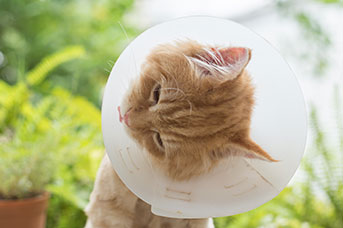
Desexing
Getting your pet desexed (neutered or spayed) is essential to their health. All Greencross Vets facilities are completely sterile and use the latest in surgical equipment.
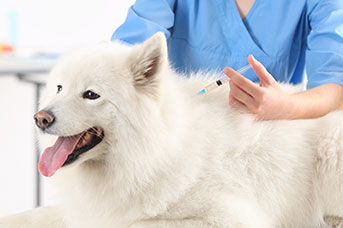
Vaccinations
Prevention is the best medicine. Kitten and puppy vaccinations (injections) and adult pet vaccinations prevent disease. Get your pet’s vaccinations up-to-date.
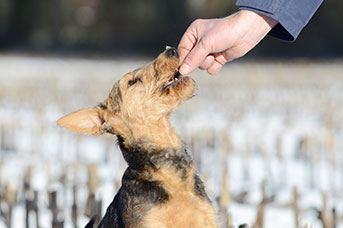
Heartworm Prevention
Heartworm can be hard to detect, but it needn’t be hard to prevent. Greencross Vets recommends year round heartworm prevention. Ask your vet about prevention today.
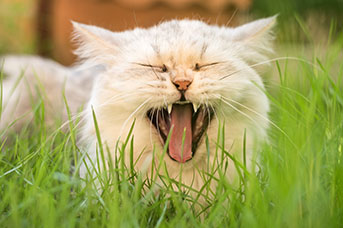
Dentistry
Greencross Vets offer a range of dentistry services like cat and dog teeth cleaning. Consider us your pet’s veterinarian and dentist combined.
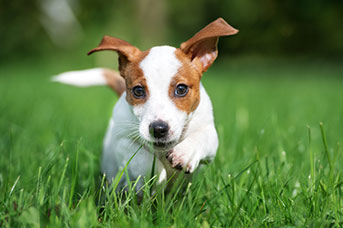
Puppy Pre-School
Greencross Vets Puppy School is an excellent starting point for owners wanting a well-managed and socialised pet. Courses run for four to six weeks. Click to learn more.
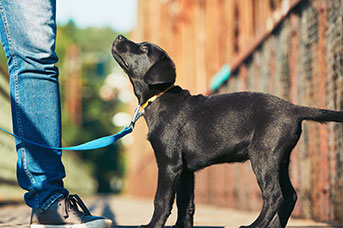
Puppy Primary School
This eight-week training program is designed for owners who would like to continue their education and socialisation, or for those who may have missed out on puppy school.
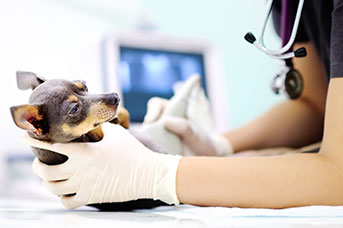
Ultrasound
An ultrasound is a painless diagnostic procedure that allows vets to take a closer look at your pet’s health. We only use the latest technology for the most accurate diagnoses.
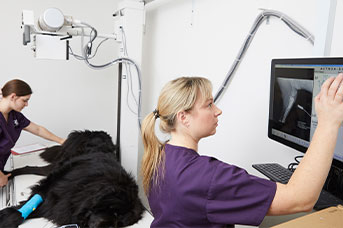
X-ray/Radiology
Greencross Vets clinics are equipped with high-quality radiograph equipment including X-ray machines, automatic processors, and X-ray view equipment.
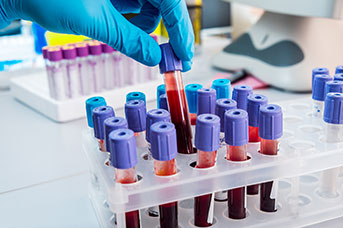
Clinical Pathology
Clinical pathology allows our vets to analyse and diagnose health conditions. Common laboratory tests include blood tests, urinalysis, faecal tests and biopsy examination.
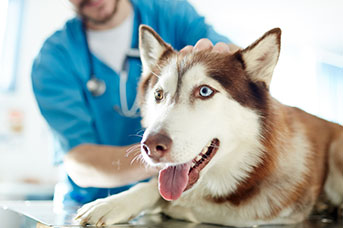
Laboratory Testing
The latest in-house laboratory equipment allows our vets to perform a range of diagnostic tests to achieve accurate, rapid diagnosis of your pets’ health status.
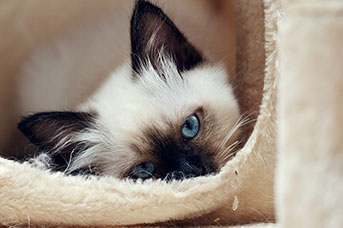
Cat Boarding
We offer premium cat boarding facilities for your pet. Ask us about our cat boarding service today.

424 Crown St, West Wollongong NSW 2500
Opening Hours / Trading Hours
Monday – Friday: 8am – 6pm
Saturday: 8am – 4pm
Sunday: 9am -12pm
Crown Street
Get Updates
& special offers delievered to your Inbox.